Welcome to Xiamen Ornanbike Composite Technology Co., Ltd.
Welcome to Xiamen Ornanbike Composite Technology Co., Ltd.


New Blog
32 inch wheels from MTB to Gravel, an ongoing cycling revolution.
May 18, 2026
In the first half of 2026, the global
bicycle industry hosted two most influential exhibitions — the Sea Otter Classic held in Monterey, California, USA from April
16 to 19, and the 34th China International Bicycle Fair staged at the Shanghai
New International Expo Centre from May 5 to 8. At these two events, a shared
technological trend has drawn widespread attention from the global cycling
community: 32-inch wheel sizes are evolving from concept to reality, gaining
rapid popularity not only in the mountain bike sector but also swiftly
penetrating the gravel bike segment.
This "wheel size revolution" can
be traced back to late November 2025, when UCI officially announced that
32-inch wheels would be permitted for Cross-Country (XC) mountain bike races
starting from the 2026 competition season. The UCI Technical Committee stated
that this move is intended to bolster industrial innovation and technological
advancement. Going forward, the organization will lift restrictions on wheel
sizes, keep track of technological developments, and guarantee safety and
fairness in competitions.
This decision marks a milestone. It has
created an officially recognized competitive arena for 32-inch wheels, allowing
major brands to cast aside misgivings and accelerate the research, development
and launch of related products. As industry experts put it: "The UCI's
decision is not an end, but the true beginning of the 32-inch wheel era."
What‘s the core advantages
of 32-inch Wheels
1. Outstanding obstacle-crossing
capability: A larger wheel size raises the axle height, enabling smoother
passage over obstacles and reducing jolts.
2. Higher rolling efficiency: Test data
from Sentient Works shows that at typical XC riding speeds, 32-inch wheels
boast a 4% lower rolling resistance compared with 29-inch wheels.
3. Superior stability: Larger ground
contact area and longer wheelbase deliver enhanced high-speed stability and
traction performance.
4. More balanced frame proportion: For
riders taller than 185 centimeters, 32-inch wheels ensure better-proportioned
bike frames and avoid the awkward mismatch of large frames fitted with small
wheels.
Current Challenges Faced by 32-inch Wheels
1. Weight issues: Larger rims and tires
inevitably add extra weight. Though lightweight materials such as carbon fiber
can mitigate this problem to some extent, production costs will rise
accordingly.
2. Insufficient supporting components:
While dedicated 32-inch forks and tires have emerged, a complete supporting
industrial ecosystem is still under development.
3. Difficult geometric design: Adopting
32-inch wheels requires redesigned frame geometry to maintain good handling and
riding comfort, which sets higher standards for brands' R&D capabilities.
4. Uncertain market acceptance: It remains
to be seen whether consumers are willing to embrace the new wheel size standard
and replace their existing cycling gear.
Judging from the displays at the 2026 Sea
Otter Classic and Shanghai Bicycle Fair, 32-inch wheels are emerging as a key
development direction for the bicycle industry.
Notably, this wheel size revolution is
advancing faster than anticipated. Merely half a year after the UCI relaxed
relevant regulations, numerous mass-produced products and comprehensive
industrial layouts centered on 32-inch wheels have been unveiled at the two
major international exhibitions. This proves that 32-inch wheels are no mere
marketing gimmick but an inevitable trend in bicycle technological evolution.
They will not completely replace existing wheel size standards, yet offer
cyclists a brand-new and superior alternative.
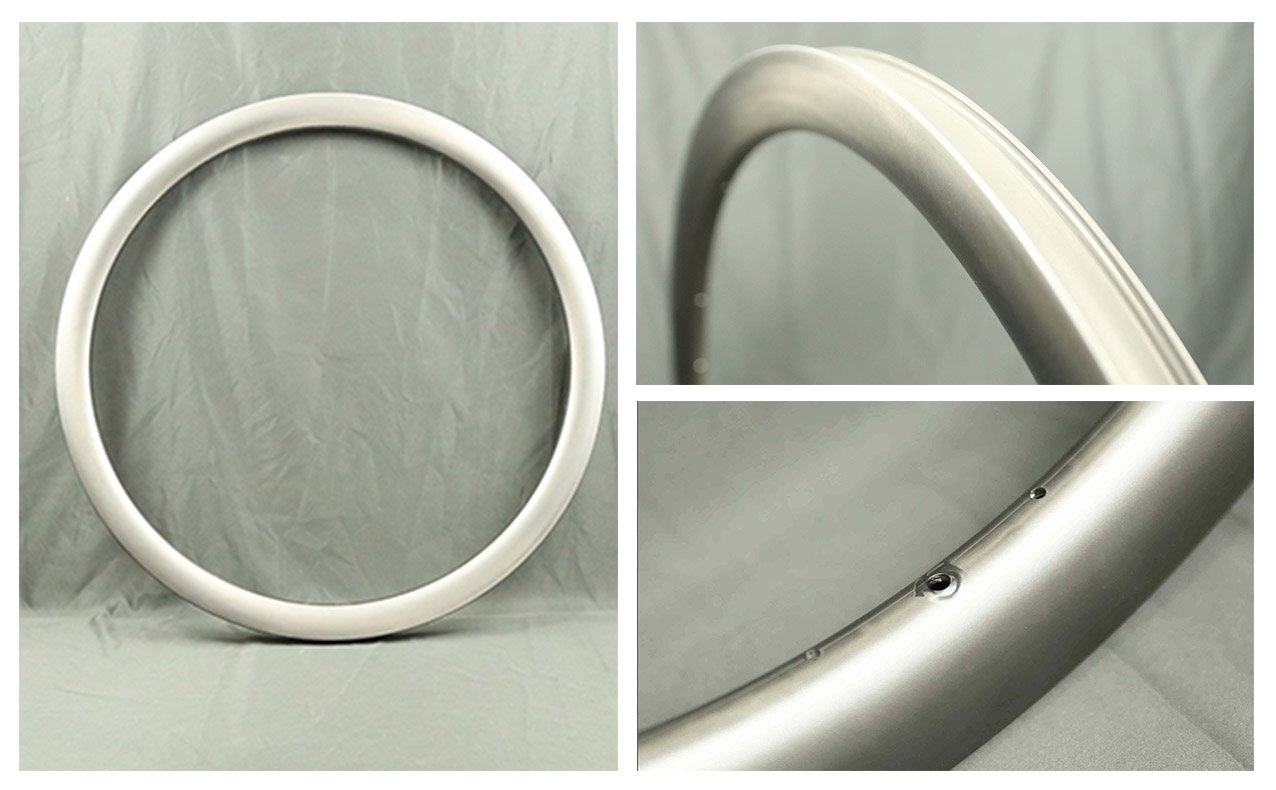
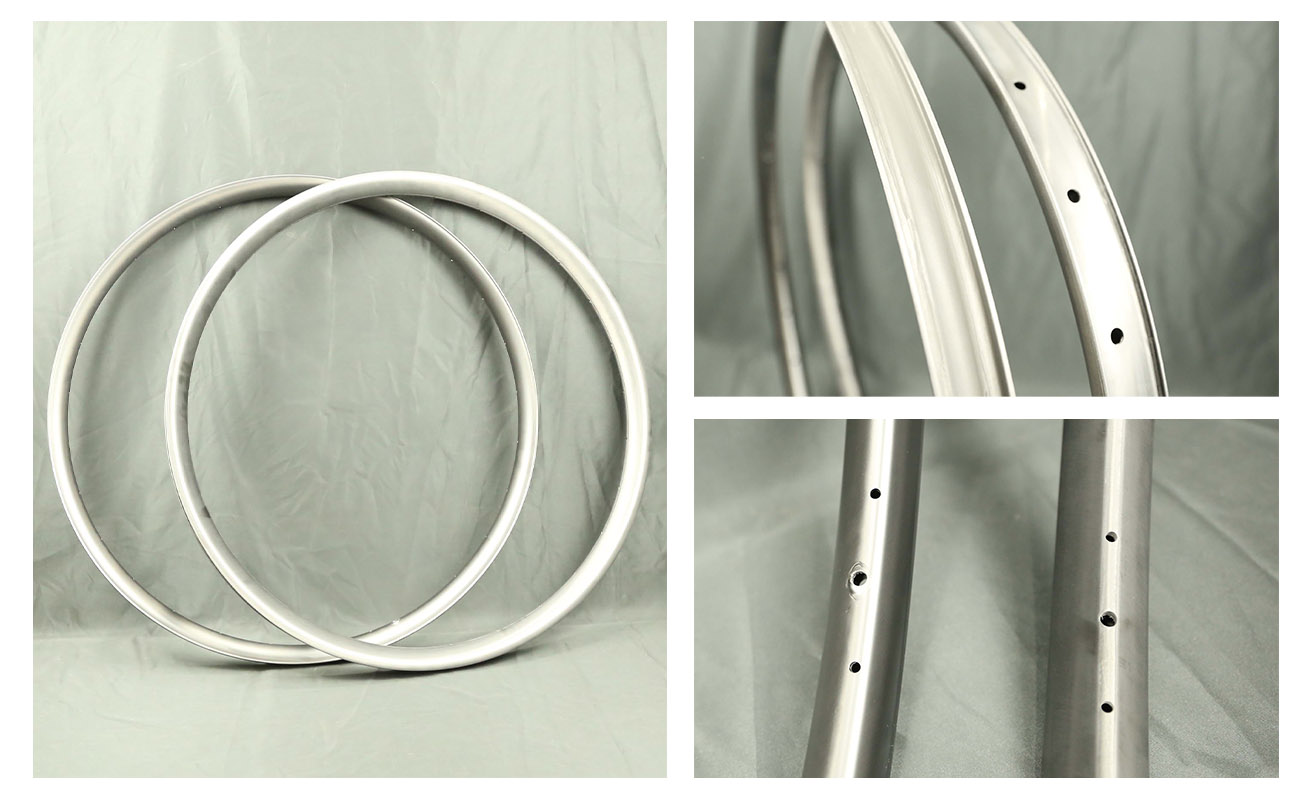
As a professional carbon fiber rim manufacturer, ORNAN has officially released new specifications for 32-inch MTB rim and 32-inch gravel bike rims.
We can also support to customize wheels, include steel spoke wheels and carbon spoke wheels. Contact us to learn more info(info@ornanbike.com)
32-inch gravel rim specification:

32-inch MTB rim specification:

Feel free to contact our sales team(info@ornanbike.com) for
more detailed product information if you are interested in our products. www.ornanbike.com
 SUBSCRIBE TO US
Xiamen Ornanbike Composite Technology Co., Ltd.

 IPv6 network supported